Parallel Lines
Amir Nikravan
Opening Saturday, November 7. On view until December 19, 2026.
For inquires or questions please contact here.
Press release
-
Tyler Park Presents is pleased to announce Parallel Lines, the gallery’s second solo exhibition with artist Amir Nikravan, on view from Saturday, November 7, through December 19, 2026. The exhibition explores linear perspective as a point of connection between Middle Eastern and Western traditions of representation. Through a series of sculptural objects, Nikravan brings these divergent approaches to spatial perception into three-dimensional form, translating the contradictions of depicted space into physical structures.
For more than twenty years, Nikravan’s practice across painting, drawing, and sculpture has examined the inherited traditions and cultural complexities of being an American artist of Persian descent, a position in which interconnected histories are often treated as distinct or separate. His work interrogates the foundations of Western modernist aesthetics, tracing the appropriation and transformation of historical Middle Eastern motifs in Western art and architecture.
At the center of Parallel Lines are Persian miniatures, a highly stylized tradition of illustrative painting practiced for centuries in present-day Iran. Characterized by their flattened spatial arrangements and the absence of conventional chiaroscuro, these works depart from the principles of linear perspective that came to dominate Western representational painting. Rather than organizing space around a single, fixed viewpoint, Persian miniature painters employed multiple vantage points to present their subjects from idealized perspectives. Scenes unfold simultaneously from several points of view, producing spatial configurations that can evoke a proto-Cubist sensibility. The elevated horizon lines often found in fourteenth-century Persian miniatures reveal expansive views of interiors and landscapes, allowing the intricate patterns of carpets and the relationships between figures to remain visible. Figures and architectural elements are arranged vertically across the picture plane, suggesting depth without conforming to the conventions of a unified, perspectival space.
The tension between what the eye sees and what the logic of perspective expects forms the basis of Nikravan’s investigation. He is drawn to the visual uncertainty of these images: floors and walls that occupy the same vertical plane, adjoining rooms viewed from multiple positions at once, and architectural structures that resist a coherent spatial reading. His effort to decode these pictorial constructions has led him to translate their distortions into actual three-dimensional space. The works in Parallel Lines reconstitute the two-dimensional representations of space found in Persian miniatures as sculptural forms, offering approximations of what it might mean to inhabit a world governed by spatial contradictions rather than the conventions of linear perspective, light, and shadow.
Each work begins with a digital scan of a Persian miniature, which Nikravan imports into three-dimensional modeling software. He separates the image into its constituent planes and projects these flat surfaces into dimensional form, testing how the depicted scene might exist as an actual room or environment. The resulting models are characterized by convoluted spatial relationships, impossible planar adjacencies, and disorienting distortions of surface and topography. These structures are then cast in bronze and aluminum as shallow reliefs.
The transition from painting to sculpture introduces a significant perceptual shift. The original miniatures’ rejection of conventional light and shadow gives way to the subtle effects of natural illumination across the metallic surfaces, intensifying the works’ dimensionality and illusionism. The resulting sculptures depict spaces that cannot exist according to the rules of conventional perspective, yet acquire a material presence in the world. Installed at varying heights in relation to a horizon line that extends across the gallery walls, the works make visible the underlying structures that govern Western systems of representation. Against this continuous horizon, the divergent spatial logics within each sculpture become more pronounced, exposing the instability of perspective as a supposedly fixed and universal system for organizing space.
As sites of reflection, these impossible spaces propose a different understanding of perspective, one in which alternate points of view—whether social, subjective, or seemingly omniscient—reside not only within the viewer but within the world itself. The reflective qualities of bronze and aluminum further extend this proposition. Painting has long functioned as both metaphorical mirror and window; in Parallel Lines, this relationship becomes materially active. Light, shadow, and the viewer’s own surroundings are reflected and refracted across the sculptural surfaces, collapsing the distinction between actual space and the imagined space of the work.
Amir Nikravan (b. 1983, Los Angeles, CA) is an Iranian-Mexican-American artist based in Los Angeles. He received a B.F.A. in Painting and Drawing from the San Francisco Art Institute in 2004 and an M.F.A. in Studio Art from the University of California, Irvine, in 2011. Nikravan has presented solo exhibitions at Tyler Park Presents, Los Angeles; Nathalie Karg Gallery, New York; Vigo, London; and Various Small Fires, Los Angeles. His work has been included in group exhibitions at Kohn Gallery, Los Angeles; the SAMEK Museum, Lewisburg, Pennsylvania; Saatchi Gallery, London; and The Pit, Los Angeles, among others. His work is held in public collections including the UC Irvine Langson Orange County Museum of Art, Palm Springs Art Museum, Tang Teaching Museum at Skidmore College, and Marciano Art Foundation. His work has been featured in publications including The Brooklyn Rail, Art in America, and the Los Angeles Times.
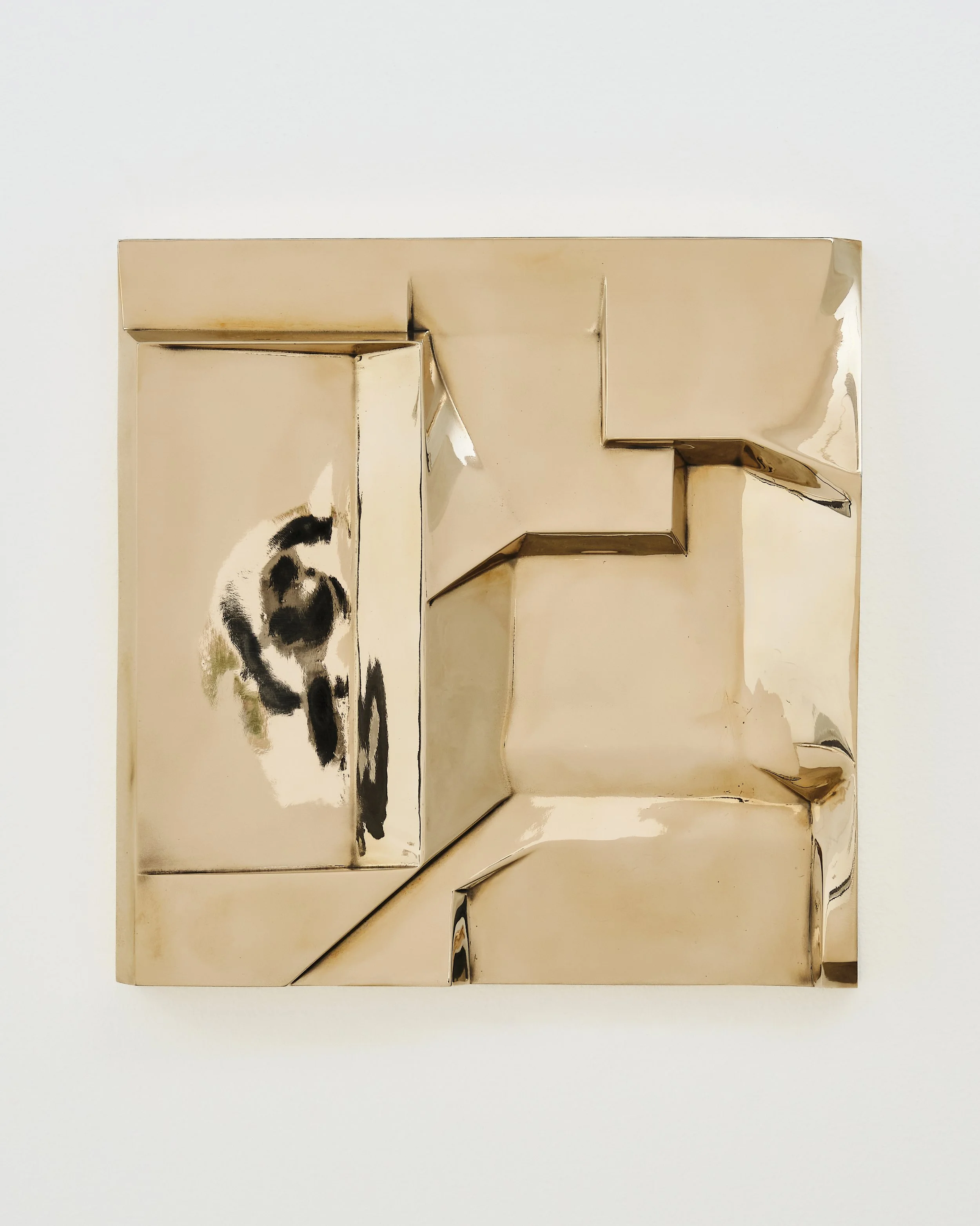
Amir Nikravan
Bedchamber (c. 1490), 2026
Polished Bronze
10 x 10 x 1¾ inches (25.40 x 25.40 x 4.45 cm)
AN0016.1
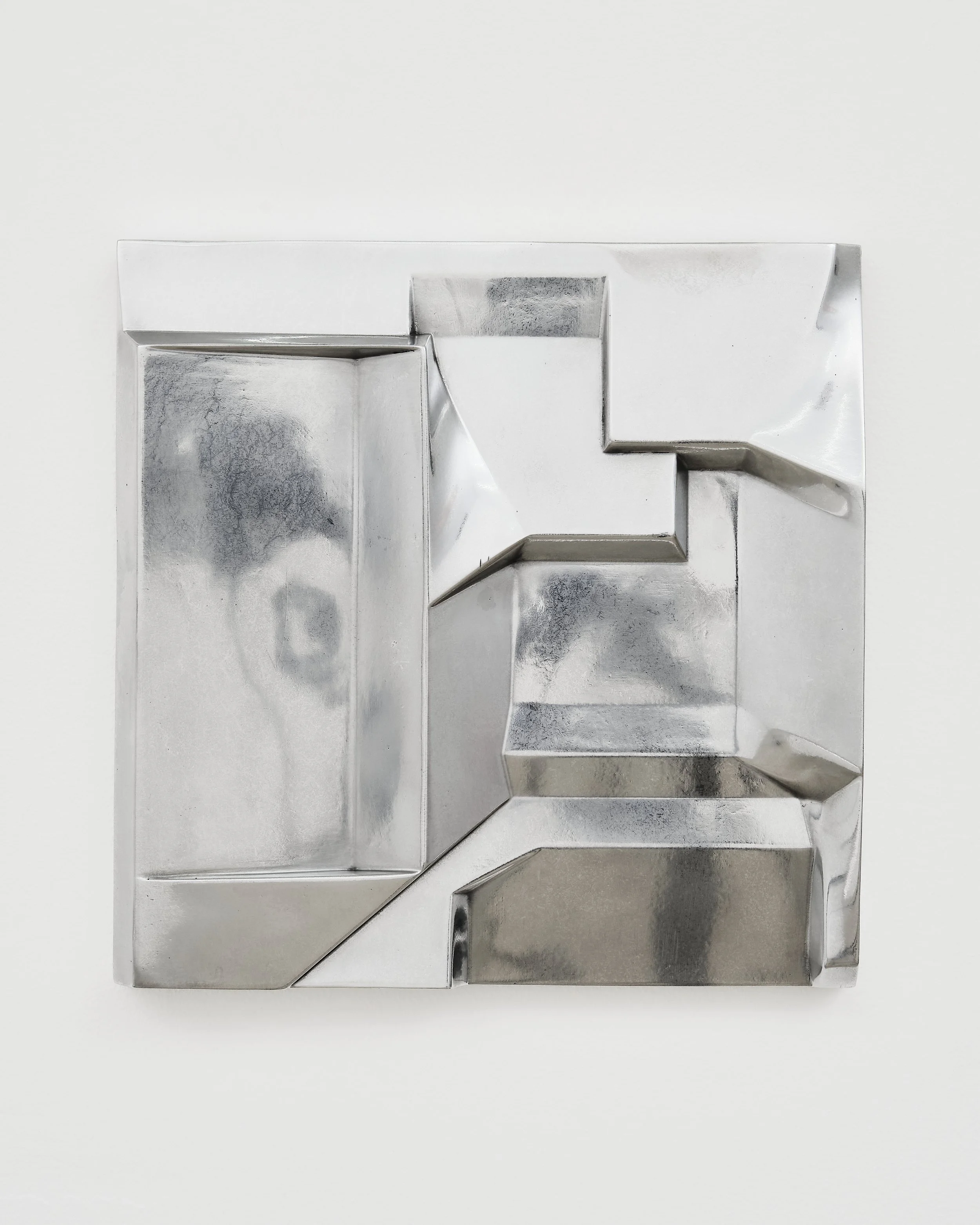
Amir Nikravan
Bedchamber (c. 1490), 2026
Polished Aluminum
10 x 10 x 1¾ inches (25.40 x 25.40 x 4.45 cm)
AN0016.1
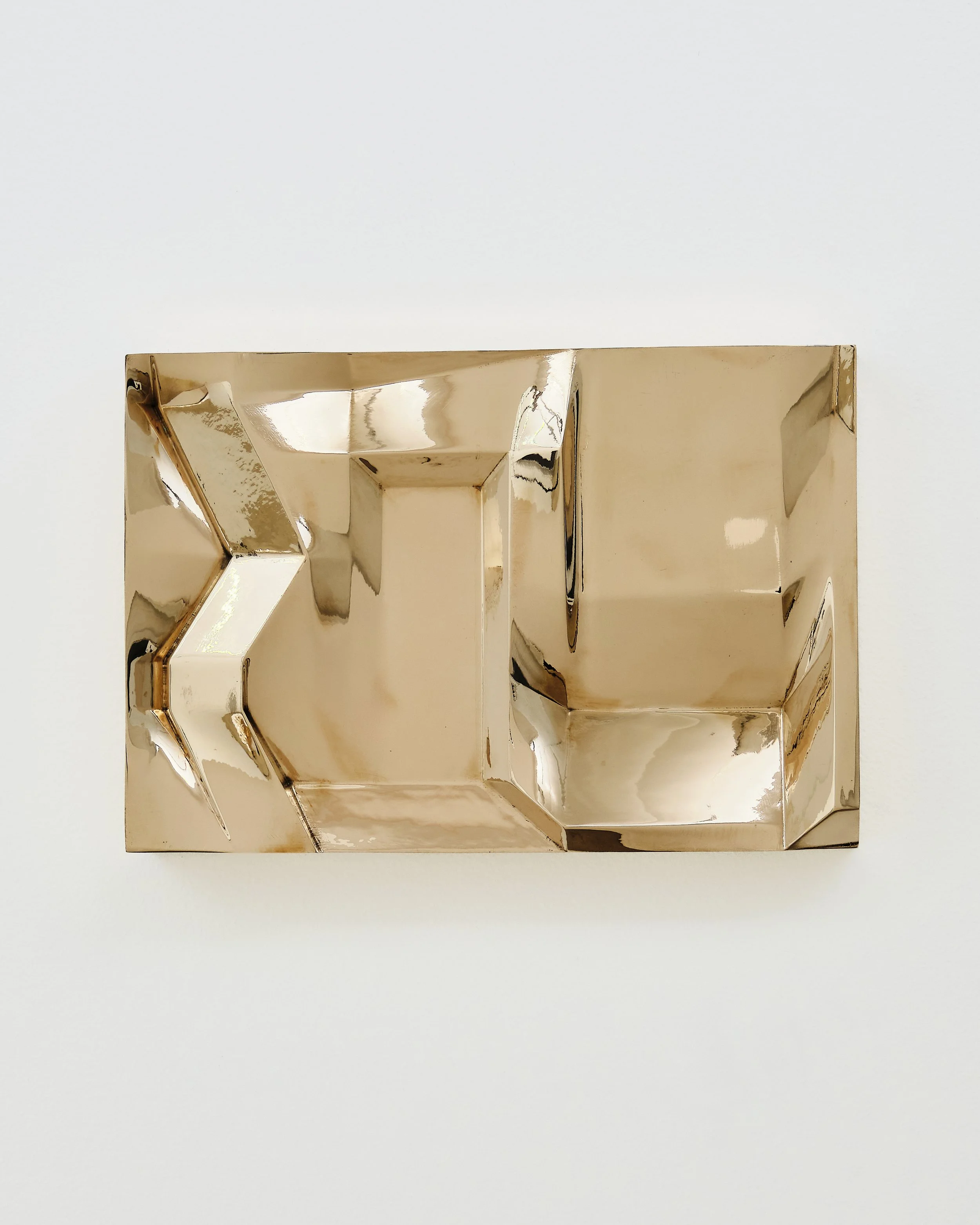
Amir Nikravan
Interior with Balcony (c. 1488), 2026
Polished Bronze
7 x 10 x 2 inches (17.78 x 25.40 x 5.08 cm)
AN0019.1
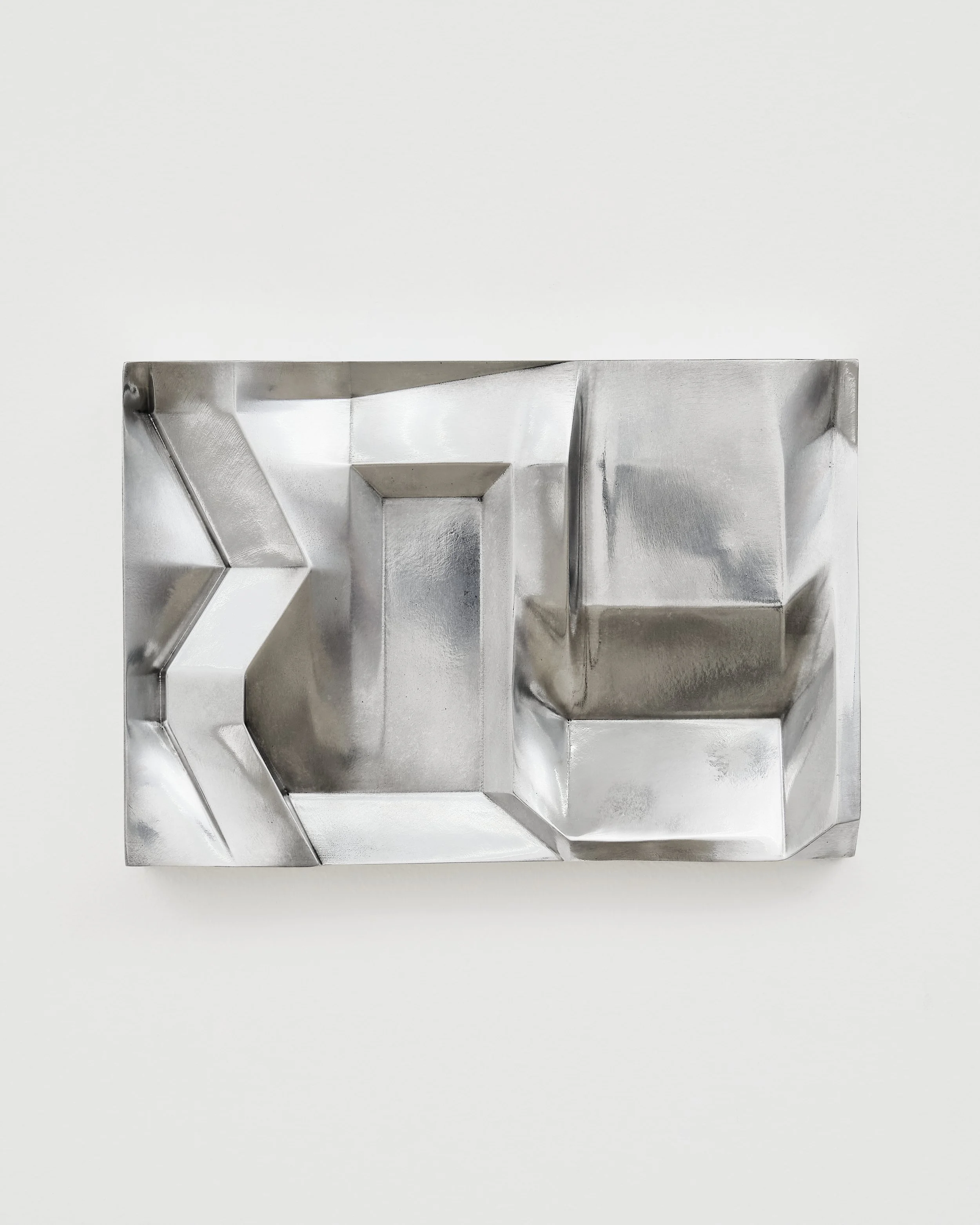
Amir Nikravan
Interior with Balcony (c. 1488), 2026
Polished Aluminum
7 x 10 x 2 inches (17.78 x 26.67 x 4.45 cm)
AN0015.1
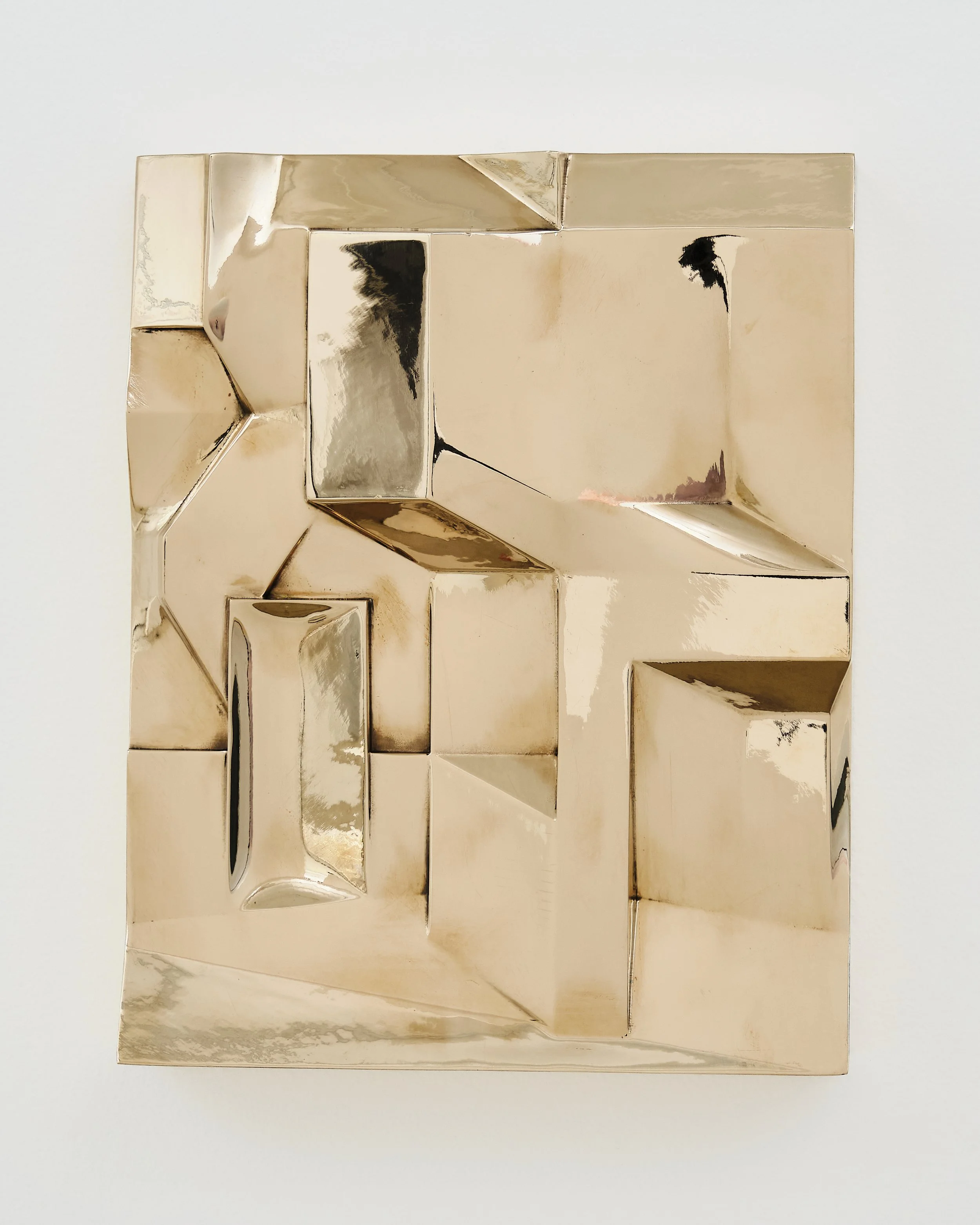
Amir Nikravan
Exterior with Balcony (c. 1480), 2026
Polished Bronze
8 x 10 x 2 inches (20.32 x 25.40 x 5.08 cm)
AN0017.1
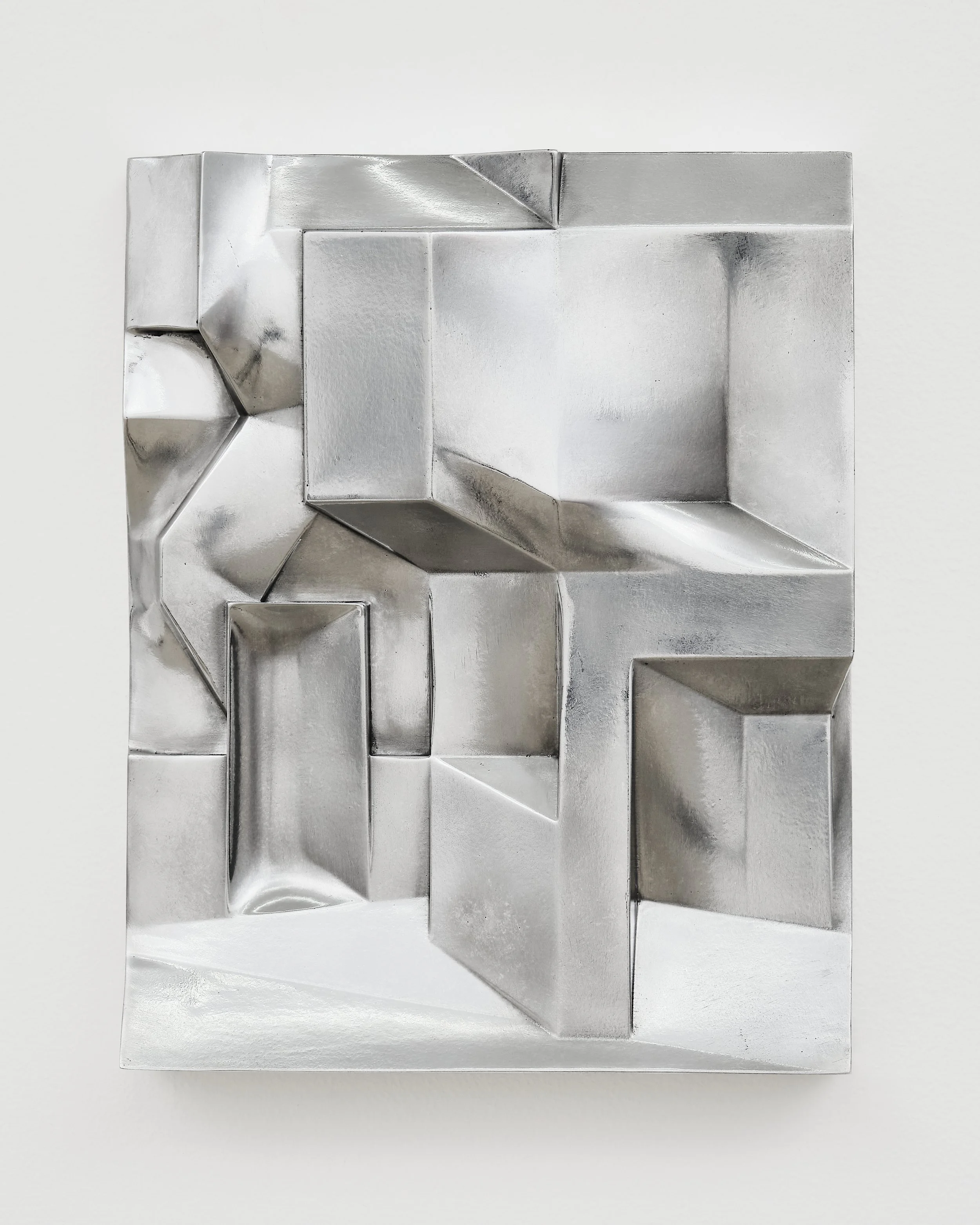
Amir Nikravan
Exterior with Balcony (c. 1480), 2026
Polished Aluminum
8 x 10 x 2 inches (20.32 x 25.40 x 5.08 cm)
AN0017.1
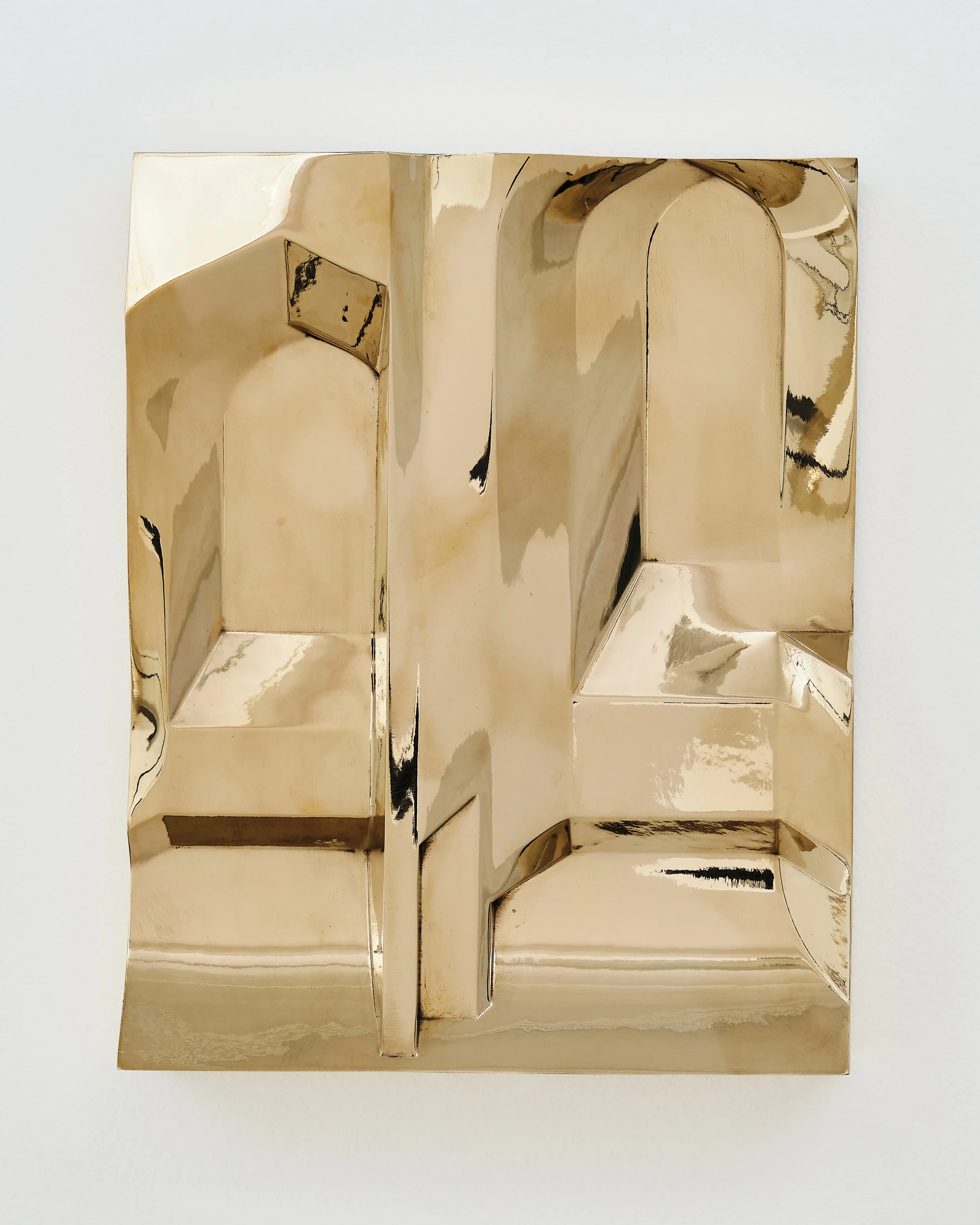
Amir Nikravan
Bathhouse (Hamam), 2026
Polished Bronze
8 x 10 x 2 inches (20.32 x 25.40 x 5.08 cm)
AN0018.1
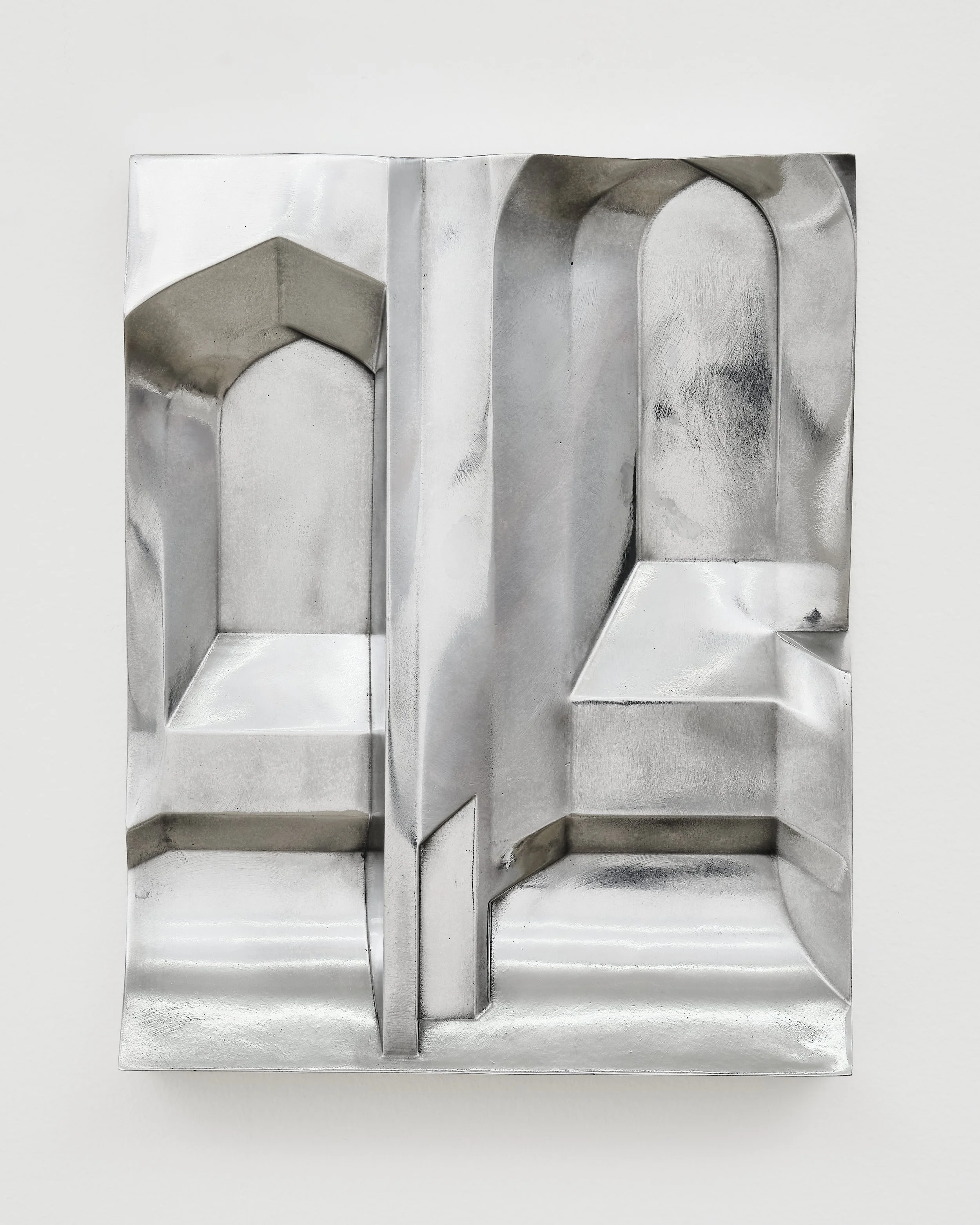
Amir Nikravan
Bathhouse (Hamam), 2026
Polished Aluminum
8 x 10 x 2 inches (20.32 x 25.40 x 5.08 cm)
AN0018.1
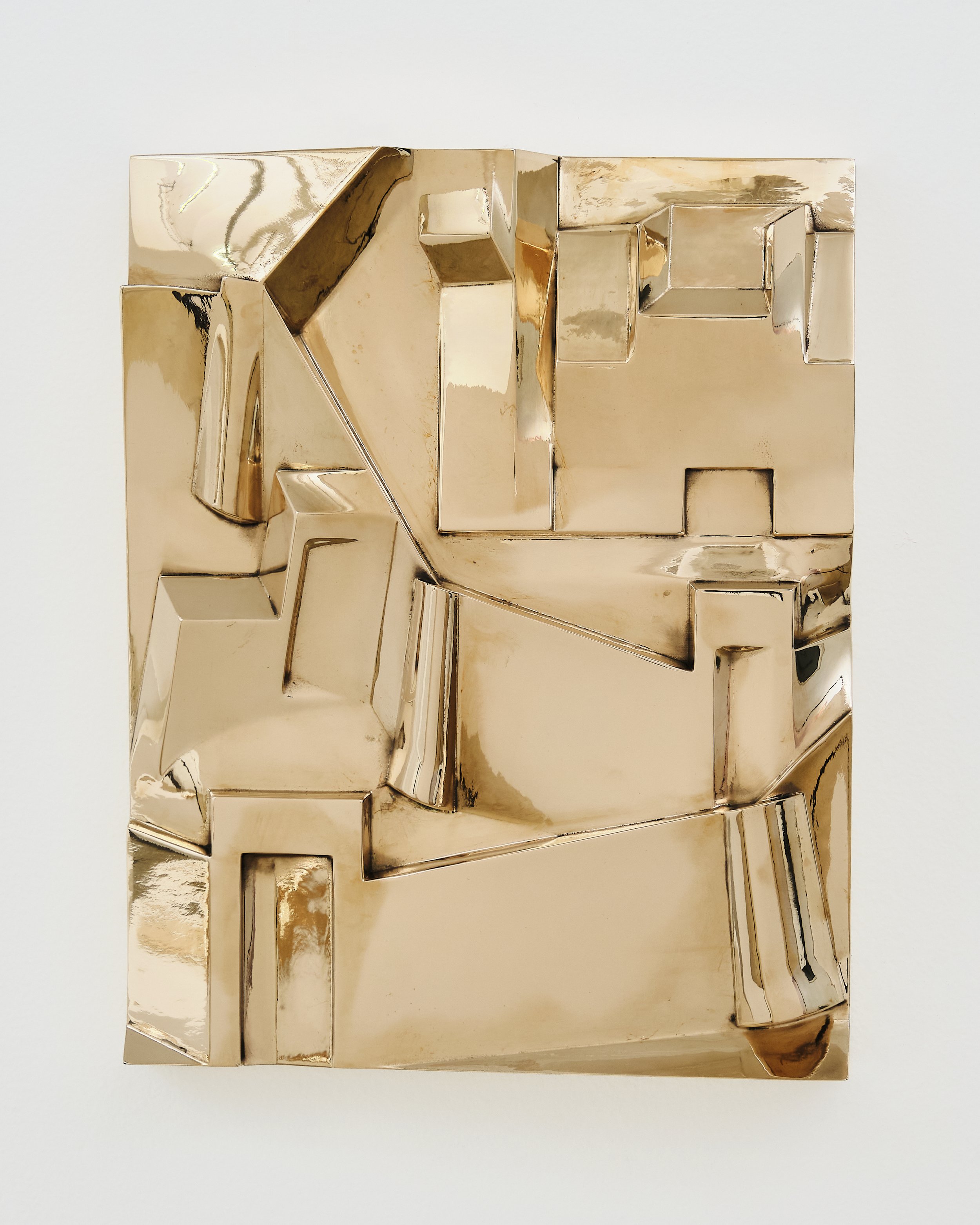
Amir Nikravan
Palace Gates (c. 1490), 2026
Polished Bronze
8 x 10 x 2 inches (20.32 x 25.40 x 5.08 cm)
AN0020.1
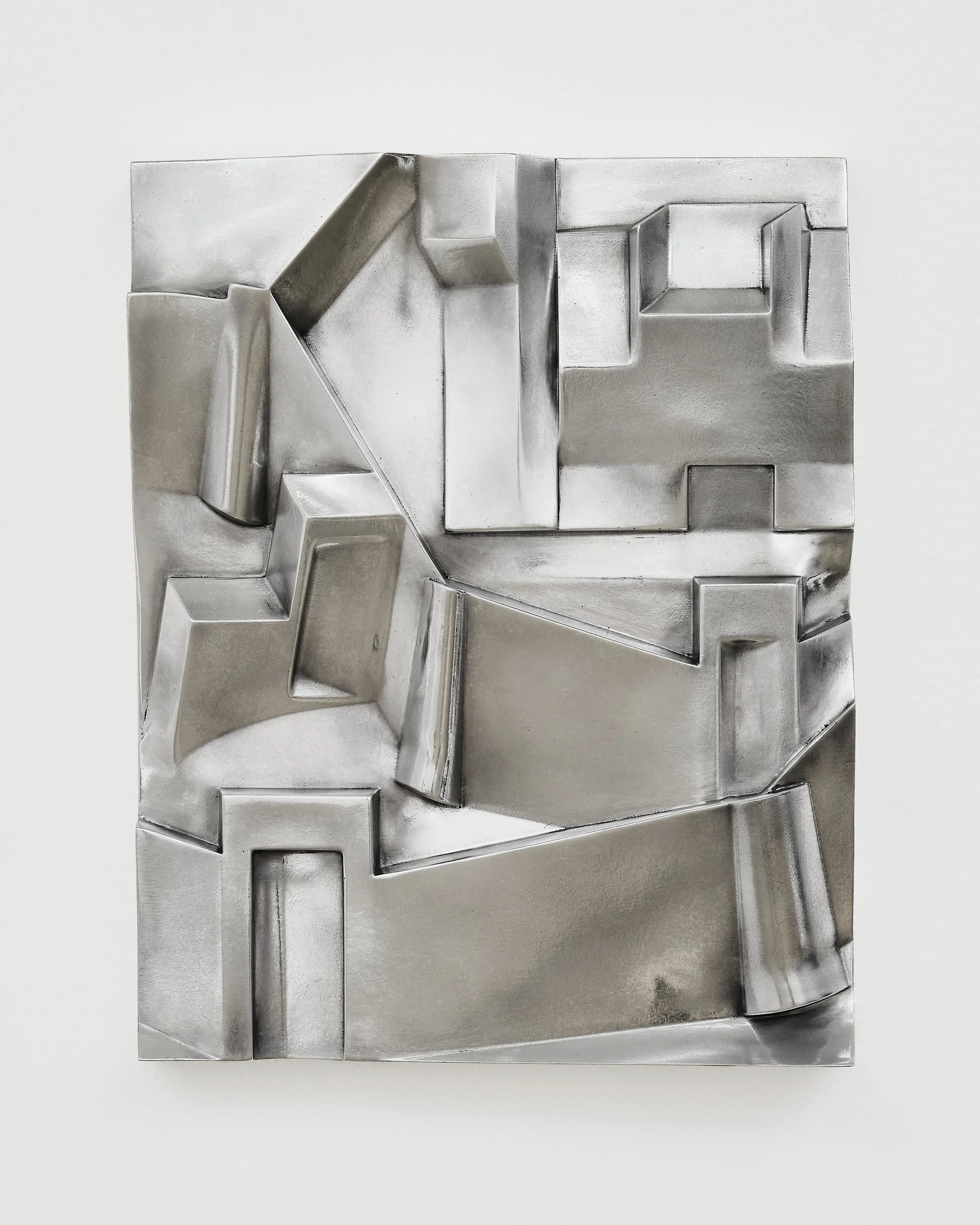
Amir Nikravan
Palace Gates (c. 1490), 2026
Polished Aluminum
8 x 10 x 2 inches (20.32 x 25.40 x 5.08 cm)
AN0020.1
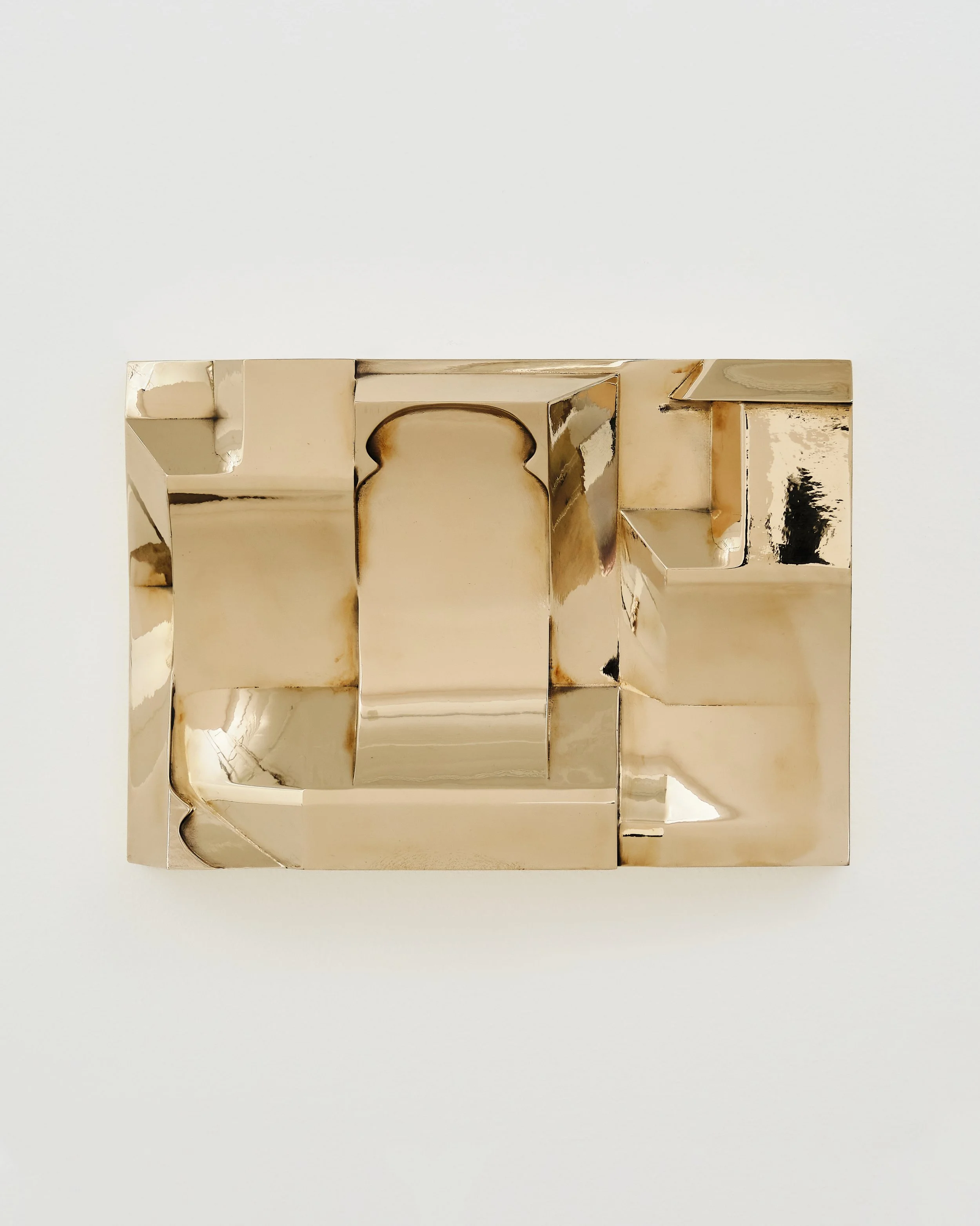
Amir Nikravan
The Prince's Court (c. 1490), 2026
Polished Bronze
7 x 10 x 2 inches (17.78 x 25.40 x 5.08 cm)
AN0021.1
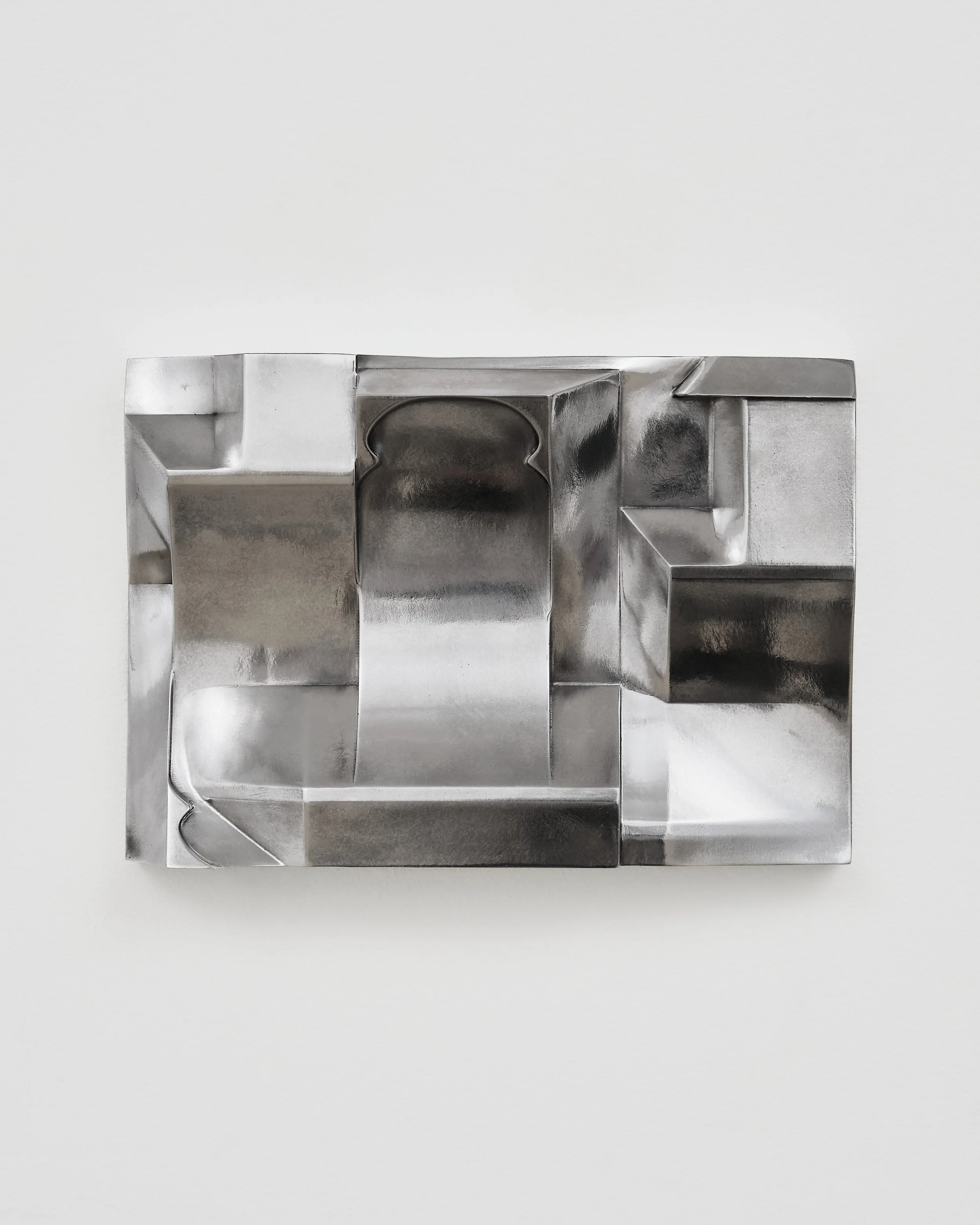
Amir Nikravan
The Prince's Court (c. 1490), 2026
Polished Aluminum
7 x 10 x 2 inches (17.78 x 25.40 x 5.08 cm)
AN0021.1
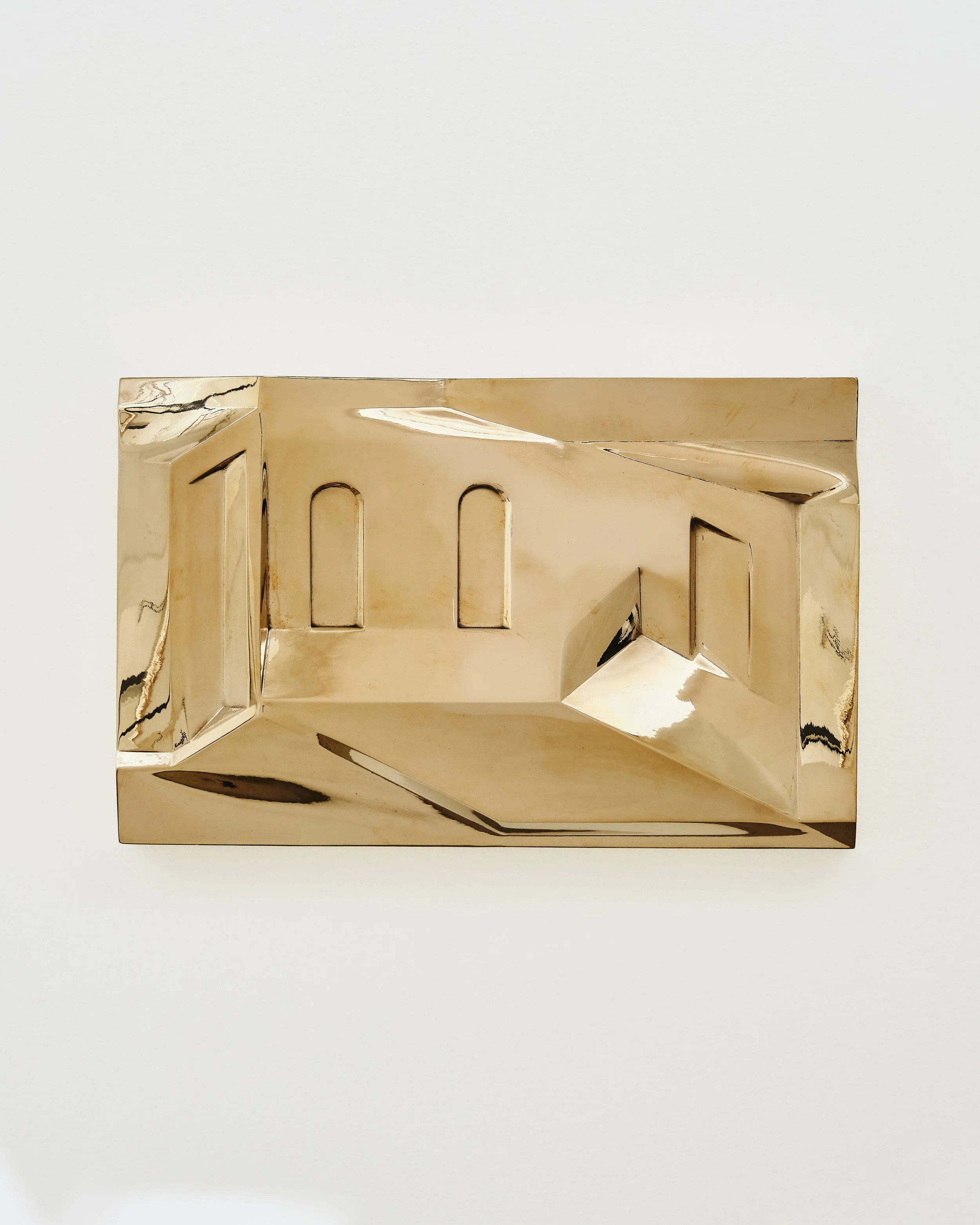
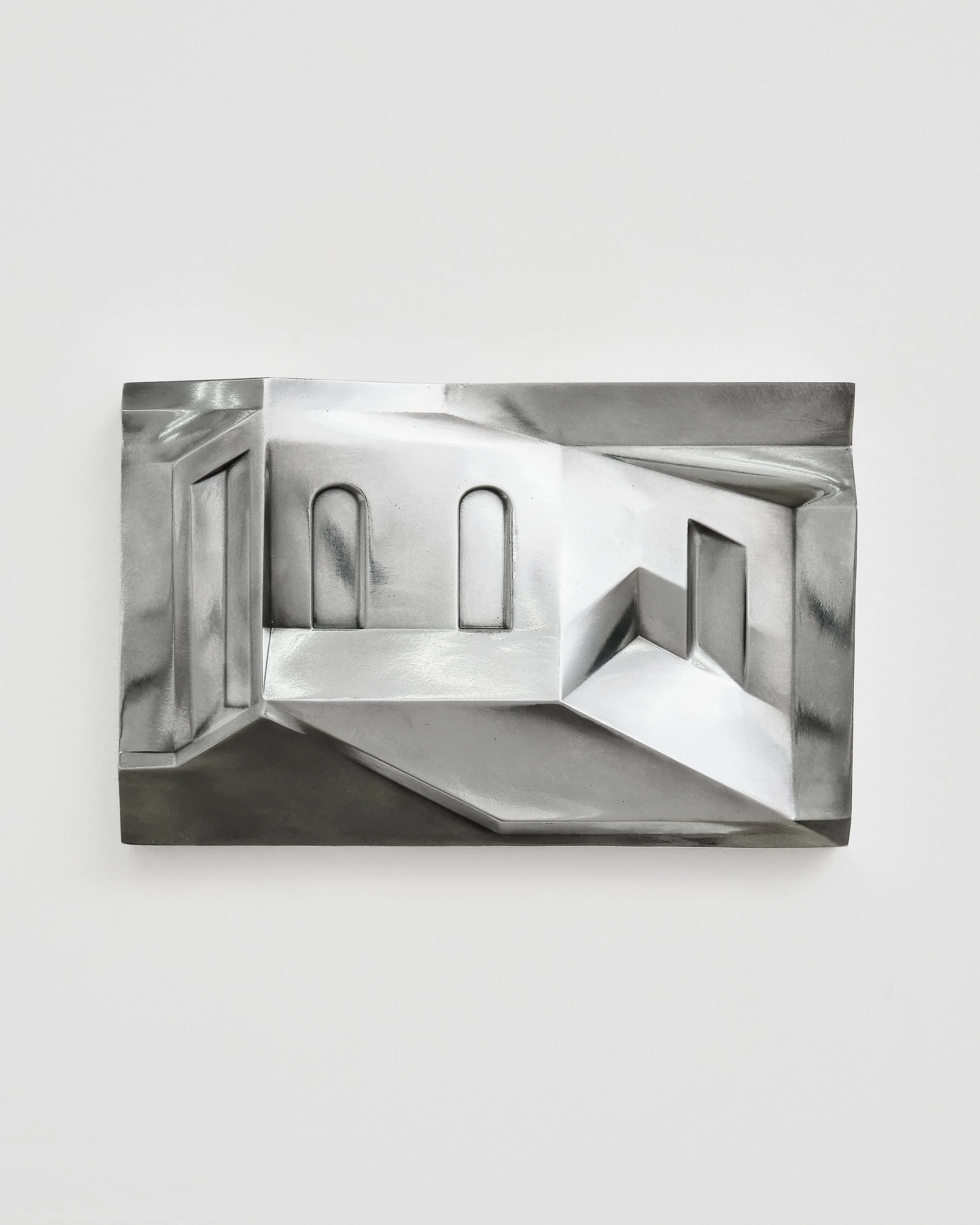
Amir Nikravan
HALLWAY, 2026
Polished Aluminum
11 x 7 x 2 inches (27.94 x 17.78 x 5.08 cm)
AN0022.1
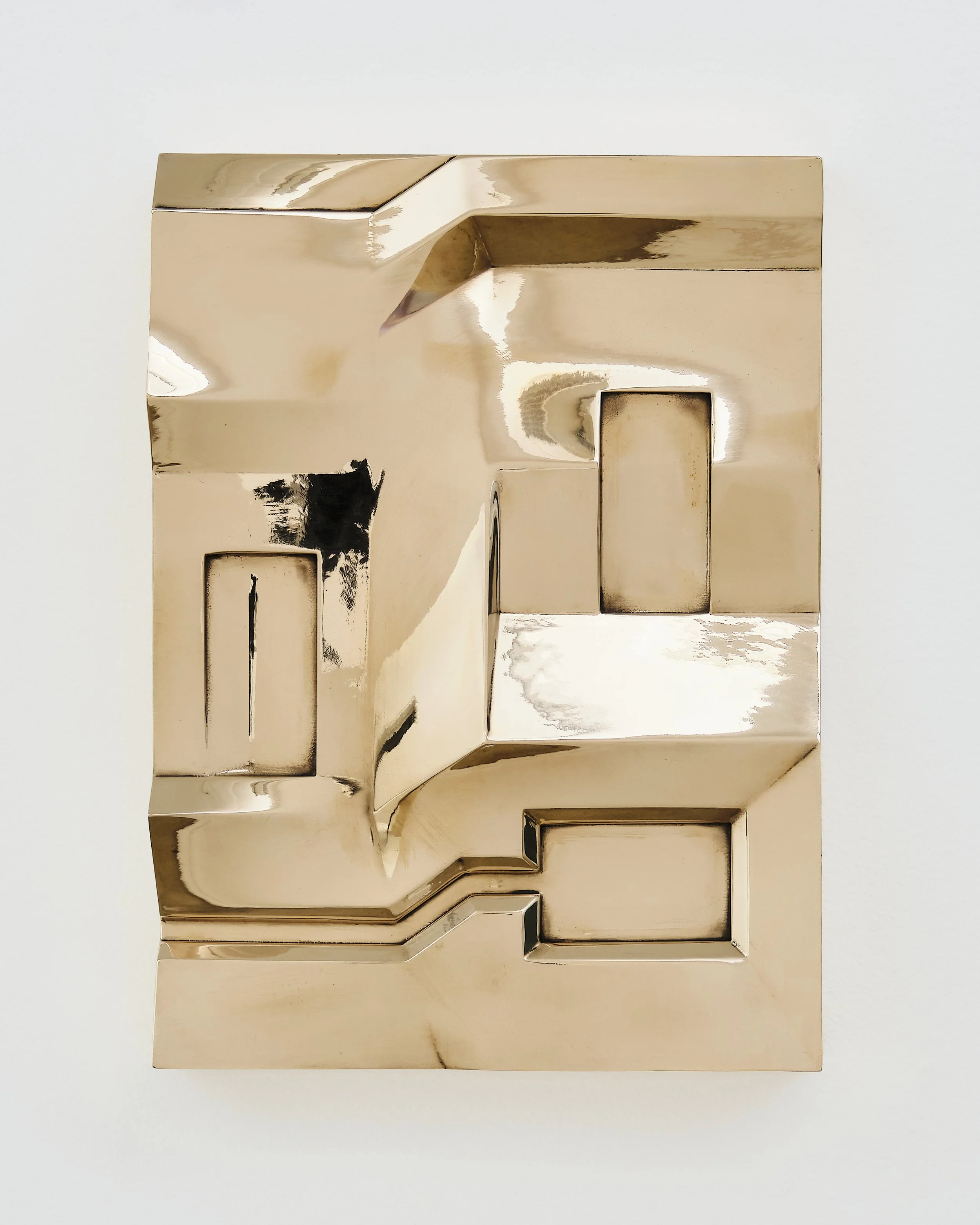
Amir Nikravan
Courtyard (c. 1520), 2026
Polished Bronze
7 x 10 x 2 inches (17.78 x 25.40 x 5.08 cm)
AN0023.1
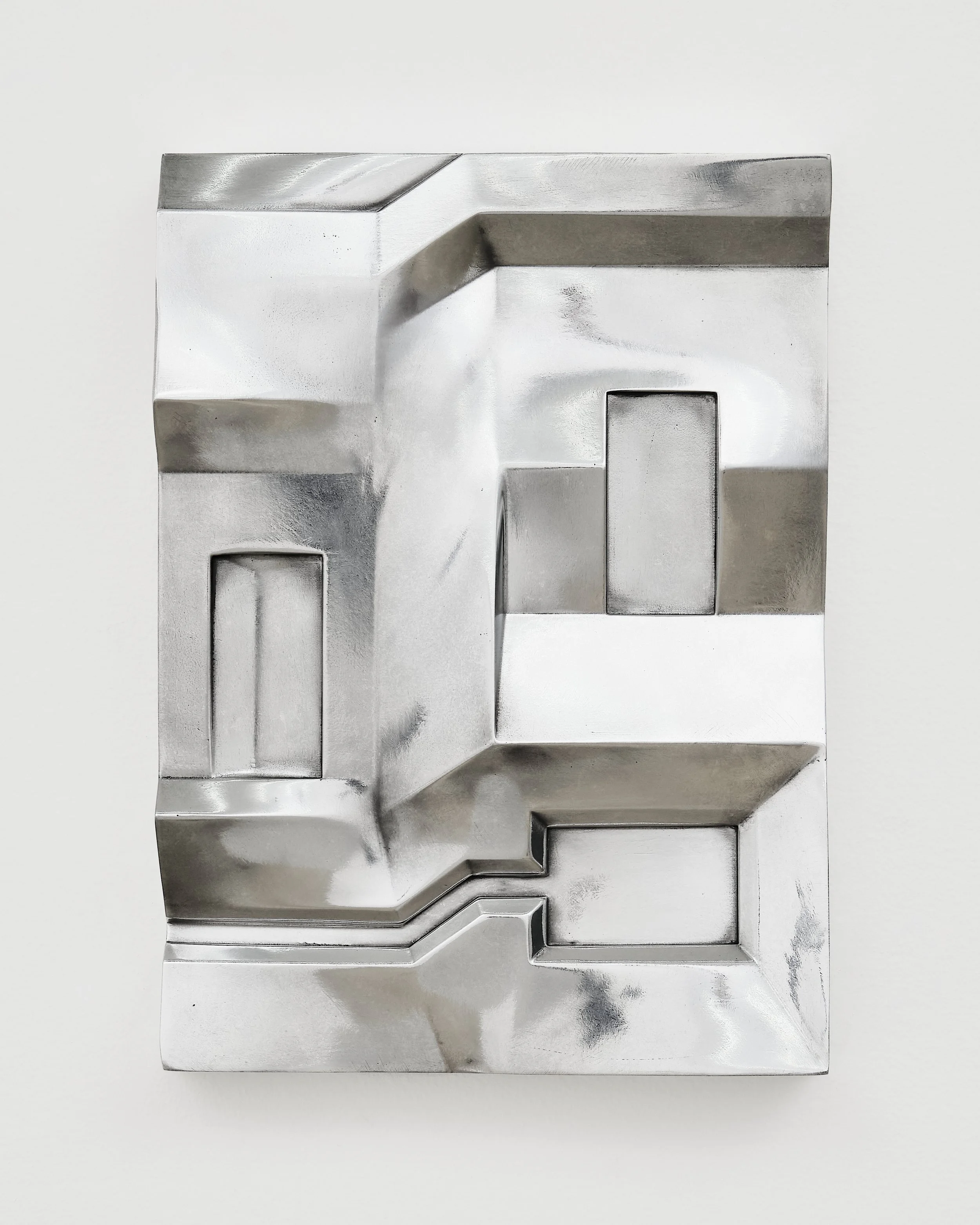
Amir Nikravan
Courtyard (c. 1520), 2026
Polished Aluminum
7 x 10 x 2 inches (17.78 x 25.40 x 5.08 cm)
AN0023.1